
Last Updated: November 2026
Short answer: no. A child does not become awkward because of where they study. But the worry behind the question is a fair one: will my child learn to get along with people? Homeschooling does not automatically make a child socially isolated. Like any other child, homeschooled children need regular opportunities to communicate, collaborate, make friends and interact with people around them. The difference lies in how these opportunities are created.
“Will my child have friends?” “Will they know how to interact with other children?” These are some of the questions parents often ask when considering homeschooling.
Since children do not attend a traditional school every day, parents sometimes worry that they might miss out on everyday interactions, friendships and group experiences. This has also contributed to the common stereotype that homeschooled kids are socially awkward or different from their peers.
But is that really true?
In this guide, we explore what research says about socialisation in homeschooled children, where the common stereotypes come from, how they make friends and what parents can do to help them develop strong social skills. We also look at how virtual schools provide opportunities for children to interact and learn together.
Are Homeschool Kids Weird? What the Research Says
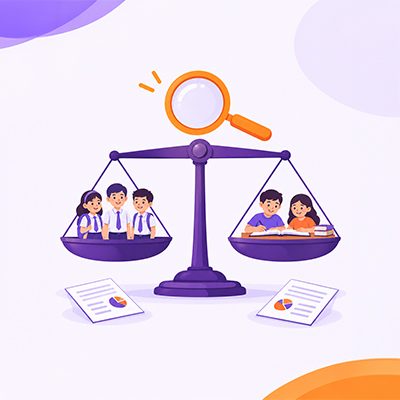
There is no evidence that homeschooling makes children socially awkward. Reviews of the research, such as Medlin’s 2013 review in the Peabody Journal of Education and Kunzman and Gaither’s 2020 survey, found that homeschooled children generally do about as well on measures of social skills as children in conventional schools. Kunzman and Gaither’s summary is that homeschoolers do not seem to suffer in comparison across a range of social skills.
Indian research is limited and small, but it points the same way:
- A 2026 interview study of 12 homeschooling families in Chennai found that homeschooling offers meaningful socialisation through wider community contact, which challenges the idea that homeschoolers are isolated. The same families also reported social stigma, self-doubt among parents and a heavy workload.
- A 2021 study in the International Journal of Indian Psychology interviewed parents in India who homeschool. They described a positive effect on their children’s social skills and said socialisation was not difficult.
- A 2025 review in the same journal concluded that homeschooled children are about as capable socially as conventionally schooled children, as long as parents plan regular interaction with other children and adults.
Research shows what is likely for most families. The actual result depends on whether the family arranges regular, planned contact and meetups with other children and adults or not.
Where the “Weird” Stereotype Comes From
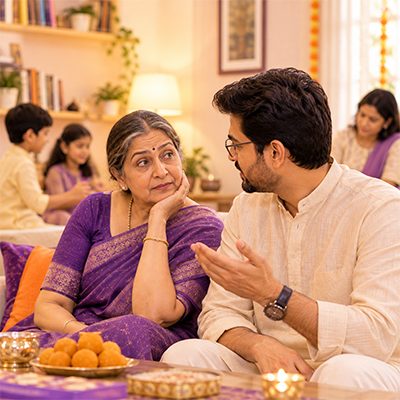
A few things feed the idea:
- School is the default. Most of us learned to get along with people in a classroom, so any other route looks risky.
- Few people know a homeschooler. In India, homeschooling is still uncommon, so opinions come from hearsay and not from meeting real children.
- Difference gets read as oddness. A quiet child, or one who talks comfortably with adults, can seem “different” simply because they do not match what people expect from a school child.
- Some children are isolated. This does happen when families do not plan social time, which is why planning matters.
Our guide on the common myths about homeschooling in India covers more of these. If you are new to the idea, start with how homeschooling works in India.
What Socialization Really Means
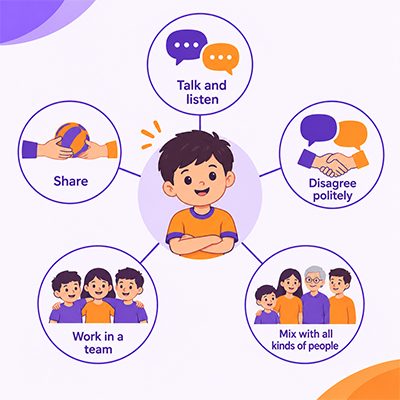
Socialization is not the same as sitting in a room with 40 children of the same age. It means learning to talk and listen, share, disagree politely, work in a team and handle different kinds of people, young and old.
At school, much of this happens by default. At home, it happens by design. That is the real difference, and it is why planning matters more than the label of “school” or “homeschool”.
Do Homeschooled Kids Have Friends?
Yes, usually. Reviews report that many homeschooled children take part in sport, music, volunteering, cooperative learning groups and mixed-age activities. The friends come from places such as:
- Neighbourhood children and cousins
- Sports academies and swimming classes
- Music, dance and drama classes
- Hobby and coding clubs
- Library and book groups
- Homeschool meet-ups and learning groups
- Supervised online communities
Friendships often cut across ages, which can be a strength. A child who regularly talks to older and younger children, and to adults, practises skills that a same-age classroom does not always give. Our piece on healthy peer relationships explains why these bonds matter for children at every age.
Extracurriculars for Homeschoolers: Where Social Skills Get Built
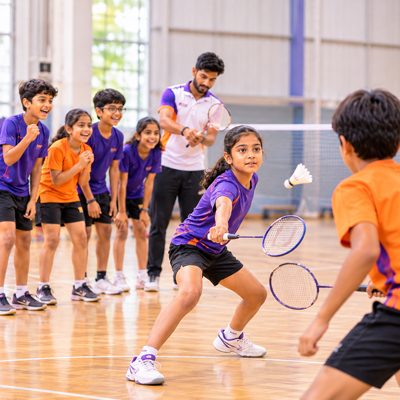
The best social practice is regular, group-based and a little bit fun. A few good options:
- Team sport: badminton, cricket, football or swimming squads teach cooperation and handling wins and losses. See how families balance school with sport.
- Performing arts: dance, music and theatre build confidence in front of others.
- Clubs: chess, coding, robotics and art clubs bring children together around a shared interest.
- Community work: volunteering with a local NGO or clean-up drive teaches teamwork and empathy.
- Language and speaking classes: debate and public speaking help children express themselves.
Choose one or two activities that run every week with the same group, because friendships grow with repetition. Here is why the importance of extracurricular activities goes beyond marks.
A Simple Weekly Plan
A consistent weekly routine can help homeschooled children interact with others, develop friendships and practise important social skills. Here is an example of how parents can plan social activities throughout the week. Rest days matter too, because free time builds its own skills.
| Day | Activity | Skill it builds |
|---|---|---|
| Monday | Sports class | Teamwork, handling wins and losses |
| Tuesday | Rest and free play | Choosing your own activities, self-management |
| Wednesday | Music or dance class | Confidence, performing in front of others |
| Thursday | Rest and free play | Unstructured play, relaxed time with siblings or neighbours |
| Friday | Club or group project | Collaboration, sharing ideas |
| Weekend | Cousins, family friends or a community event | Mixed-age conversation |
A routine like this takes planning, and our homeschooling tips for busy parents can help you fit it into the week. The goal is not to fill every day with activities. One or two regular group activities, along with informal social interactions, can give children meaningful opportunities to build friendships.
Signs Your Child Needs More Social Contact
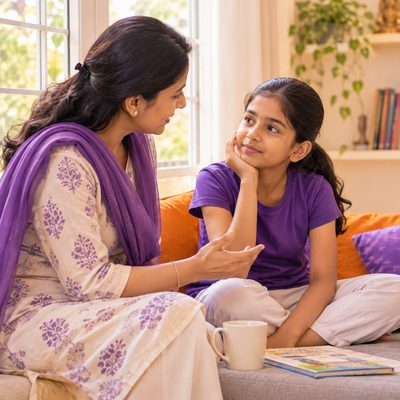
Quiet children are not a problem, and introversion is not a social failure. It may be time to add more contact if your child:
- Seems unhappy or withdrawn for weeks
- Avoids every invitation or group activity
- Struggles to take part even with children they know
If you are worried, speak with your paediatrician or a child psychologist. Do not assume the cause is homeschooling, and do not rush to a conclusion.
Social Skills in a Virtual School
For families who want learning at home with daily contact, a virtual school is another route. Good virtual schools build social skills through live classes where children talk to teachers and classmates, group projects, clubs and activities.
Screens alone do not build friendships, though. The most useful mix is live interaction online plus regular in-person activities such as sport, music or community groups.
How Cyboard School Builds Social Skills Online
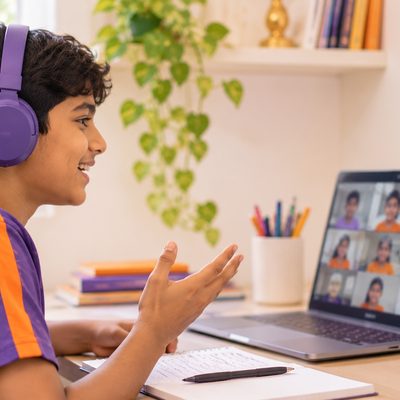
Cyboard School, a 100% online, CBSE-aligned school, builds contact with other children into the school day in four ways.
- Live classes. Children see, hear and talk to their teachers and classmates in real time, so they practise speaking up, listening and asking questions every day.
- Classmates from many places. Students learn alongside children from across India and other countries, which exposes them to different accents, views and backgrounds.
- Clubs. Art, craft, dance, drama, languages and entrepreneurship clubs bring children together around a shared interest.
- Speaking and writing programmes. Public speaking and creative writing are built into the curriculum, so students regularly practise presenting and expressing their ideas.
This is part of the school’s belief in education beyond academics. To see how it works for your child’s grade, explore Cyboard School’s curriculum.
Conclusion
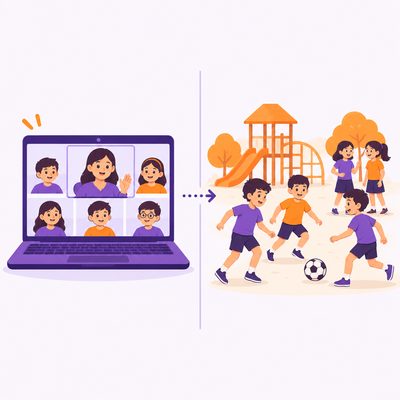
Homeschooled children are not weird. Research does not support that idea, and the quality of a child’s social life depends on the activities and people around them, not on where they study.
If you are homeschooling, plan friendships the way you plan lessons: pick a few regular group activities and keep them going. If you want more daily contact with less planning, a virtual school with live classes and clubs may suit your family.